Knee Services
As the primary weight-bearing joint in the body, the knee is essential to your daily freedom and athletic performance.
At East Coast Orthopaedics, we specialize in treating the full spectrum of knee conditions - from acute ligament tears and meniscal injuries to the chronic discomfort of advanced arthritis. Our approach integrates state-of-the-art diagnostics with a range of treatments, including specialized sports medicine, restorative repairs, and total joint replacement.
We are dedicated to stabilizing your foundation, relieving your pain, and restoring the fluid movement you need to stay active at any stage of life.
Common Knee Conditions We Treat
Acute & Sports Injuries
✚ Meniscal Tear (Torn Knee Cartilage)
✚ Anterior Cruciate Ligament (ACL) Rupture / Knee Instability
✚ Posterior Cruciate Ligament (PCL) Tear
✚ Complex Knee Dislocation / Multiple Ligament Tears
✚ Patellar Subluxation / Kneecap Dislocation
✚ Fractures and dislocations (All Age Groups)
✚ Tendinopathies & Bursitis
Degenerative & Chronic Conditions
✚ Advanced Knee Osteoarthritis
✚ Medial or Lateral Compartment Knee Osteoarthritis
✚ Chronic Patellar Instability (Ruptured MPFL)
✚ Knee Malalignment (Bow-legged or Knock-kneed) / Early Wear
✚ Focal Articular Cartilage Defects / Early Joint Wear
✚ Chronic Tendonitis / Mild Osteoarthritis
✚ Joint Inflammation / Bursitis / Severe Localized Pain

Knee Operative Procedures
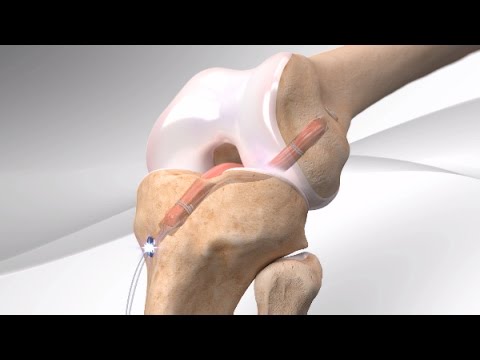
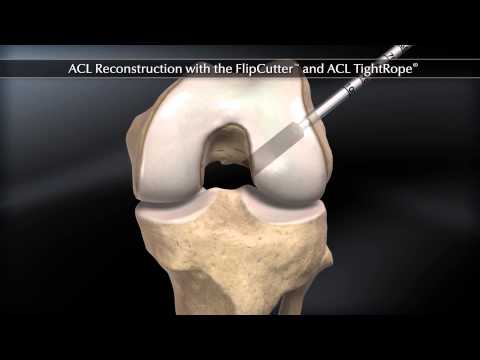
ACL reconstruction
Mr Jacob is renowned nationally and internationally for his advanced surgical skill in ACL reconstructions.
This surgical reconstruction uses a graft to restore knee stability and strength for a confident return to sport. Tailored graft selection, whether hamstring, patellar, or quadriceps tendon, is based on each patient's age and activity level, along with customized rehabilitation protocols.
MPFL reconstruction
Repairs the ligament responsible for patellar alignment alignment and stability to prevent dislocations and restore movement confidence.
The medial patellofemoral ligament is reconstructed using a tendon graft to re-establish the primary soft tissue restraint against lateral patellar instability. These are often supplemented with Platelet rich plasma or other biologics.
Total knee replacement
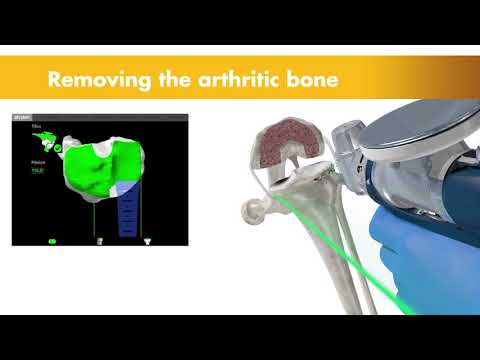
Replaces worn joint surfaces to provide a pain-free foundation for mobility and a return to an active life.
All three compartments of the knee are resurfaced using precision-fitted prosthetic components, and with advances in surgical technique and implant longevity, the majority of patients achieve durable, pain-free function for 15 to 20 years or more.
Partial knee replacement
Replaces only the damaged knee portion to preserve healthy bone and allow for a natural-feeling joint.
By resurfacing only the affected compartment and preserving the remaining healthy tissue, partial replacement retains more of the natural knee's feel and function compared to total replacement, with faster recovery times and strong long-term outcomes in appropriately selected patients.
Cartilage grafting/joint preservation
Repairs joint surfaces and stimulates growth to delay invasive surgery and preserve natural mobility.
Techniques such as microfracture, osteochondral grafting, and autologous chondrocyte implantation are selected based on the size and location of the defect. These are often supplemented with Platelet rich plasma or other biologics..
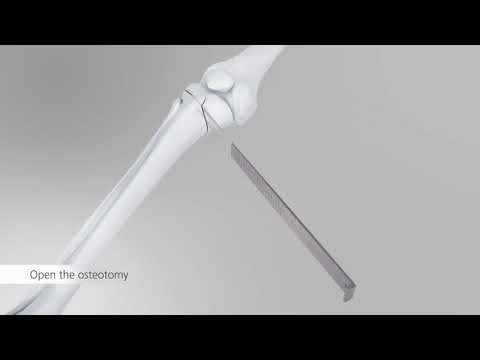
Multi-planar osteotomies
Realigns leg bones to shift weight from damaged areas, preserving the natural joint and delaying replacement.
By carefully correcting the alignment of the tibia and femur in all 3 planes, this procedure redistributes load away from the damaged compartment, relieving pain and slowing joint deterioration. These are often supplemented with Platelet rich plasma or other biologics.
Patellar realignment / stabilisation
Corrects kneecap tracking and reinforces ligaments to prevent dislocations and ensure smooth movement.
Where bony malalignment is contributing to instability, realignment of the tibial tubercle may be combined with soft tissue reconstruction to correct the underlying mechanics and provide a durable solution beyond what ligament repair alone can achieve.
Multi-ligament reconstruction
Complex repair of multiple knee ligaments to restore total stability and integrity after severe injury.
Often involving staged reconstruction of the ACL, PCL, and collateral ligaments, requiring careful surgical planning and a dedicated rehabilitation programme to restore functional stability. These are often supplemented with Platelet rich plasma or other biologics.
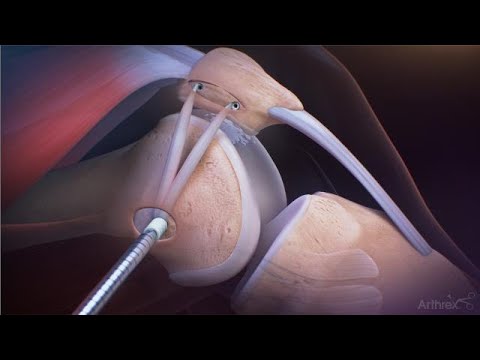
Knee arthroscopy
Keyhole procedure to treat meniscus tears and debris, restoring smooth movement with a faster recovery time.
The surgeon can assess cartilage integrity, remove loose bodies, and address a range of intra-articular pathology through small incisions, making it one of the most versatile and well-tolerated procedures in orthopaedic surgery. These are often supplemented with Platelet rich plasma or other biologics.
PCL reconstruction
Rebuilds the PCL to restore essential rear-joint stability for secure daily and athletic knee function.
PCL injuries are frequently underdiagnosed and undertreated, yet chronic posterior instability places significant long-term stress on the knee joint; reconstruction using a strong tendon graft restores the critical restraint against posterior tibial translation and protects surrounding structures from accelerated wear.
Knee Non-Operative Procedures
Precise image guided steroid injections
An image-guided treatment to deliver powerful anti-inflammatories into the joint space, effectively managing osteoarthritis flares and allowing for improved daily mobility.
Use of autologous platelet rich plasma injections
An innovative injection treatment using your own concentrated platelets to reduce inflammation and promote tissue repair in cases of knee osteoarthritis and patellar tendon pain.
Conservative management of all fractures in plaster/splint/orthotics
A conservative pathway for stable leg fractures, utilizing advanced hinged bracing and orthotics to protect the joint while it heals, allowing for a safer return to weight-bearing.
Non operative management of tendinopathies
A targeted approach to treating patellar and quadriceps tendinopathy through specialized loading programs and bracing, stimulating tissue repair to restore pain-free movement.